
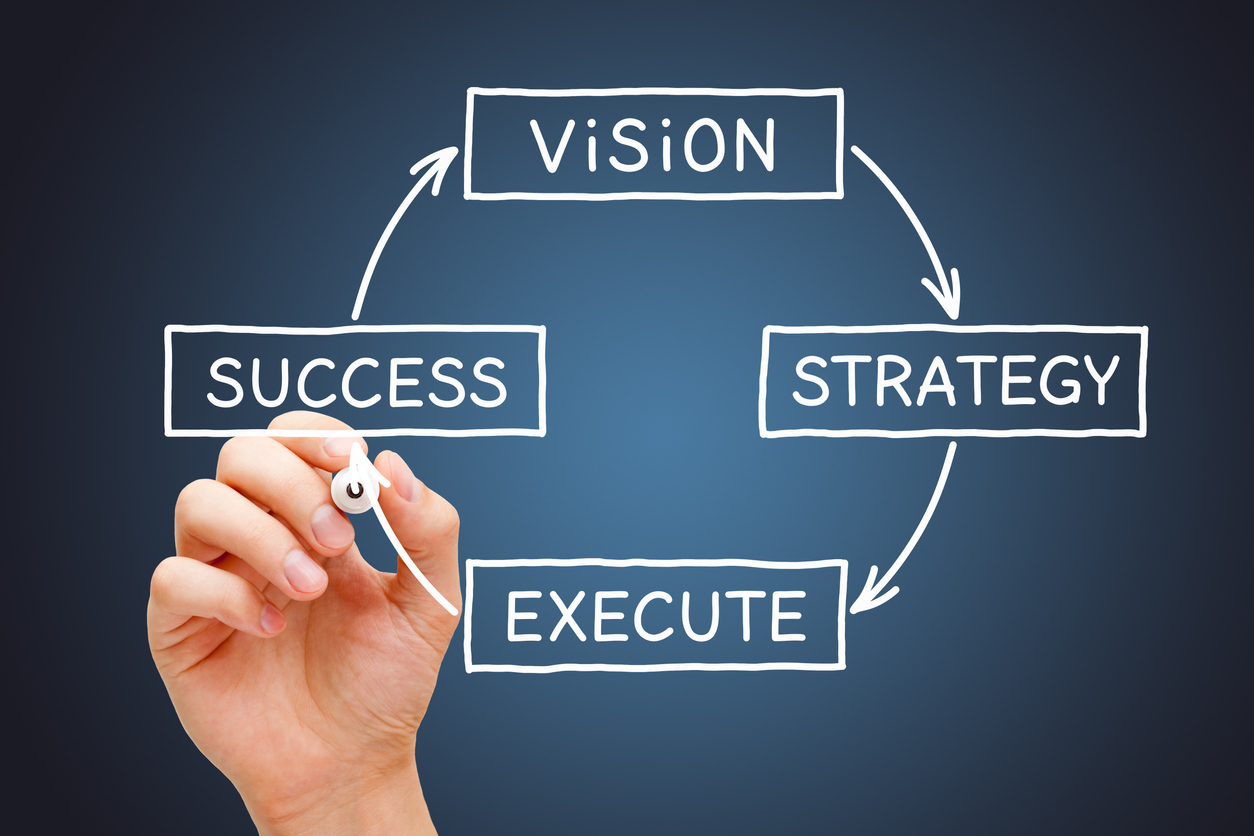
In today’s rapidly shifting business landscape, organizations can no longer rely on rigid, one-size-fits-all strategies. To thrive, companies must continuously adapt their direction and actions to keep pace with change. This is where the concept of turning static business strategies into dynamic frameworks comes into play. A powerful tool to facilitate this shift is the strategy map, which plays a vital role in enhancing the effectiveness of strategic planning.
A strategy map is a visual representation that outlines how an organization plans to achieve its goals. It connects various strategic objectives across different dimensions—such as financial performance, customer satisfaction, internal processes, and innovation—into a cohesive picture. When embedded in the broader context of strategic planning, a strategy map becomes more than just a diagram; it evolves into a dynamic guide for execution, communication, and performance alignment. It serves as a bridge between high-level goals and day-to-day operations, making the strategy actionable and measurable.
Traditional strategic planning models often revolve around static documents that are created once a year and rarely revisited. While these can offer initial guidance, they fall short in today’s fast-moving markets. A strategy map introduces agility into this process. Instead of locking teams into fixed objectives, it enables businesses to update and align their priorities as needed. This flexible planning mechanism helps teams respond to market trends, customer behavior, and internal performance in real time.
One of the key benefits of integrating a strategy map into the planning process is improved communication across the organization. It simplifies complex ideas and ensures that every department understands how their efforts contribute to overarching company goals. This alignment drives clarity, fosters accountability, and minimizes the risk of teams working in silos. When teams are aligned with a shared vision, productivity increases, and so does morale.
Another important aspect is the ability of a strategy map to link short-term goals with long-term aspirations. Often, companies focus on immediate performance indicators without seeing how these tie back to the broader mission. With a strategy map in place, businesses can track key performance indicators (KPIs) across multiple perspectives—financial, operational, and developmental—ensuring that day-to-day actions support long-term growth. This structured, yet adaptive approach makes strategic planning far more effective.
Moreover, strategy maps can play a significant role in driving innovation. By identifying strategic objectives related to learning and growth, organizations can focus on building capabilities that lead to future competitiveness. This could include investing in employee training, exploring new technologies, or improving knowledge sharing. These initiatives not only support internal development but also create value for customers and stakeholders in the long run.
Using a strategy map also improves decision-making. When leadership has a clear view of how different objectives connect and impact each other, it becomes easier to allocate resources, manage risks, and pivot strategies when necessary. This data-driven and interconnected planning supports more confident and informed leadership at all levels of the organization.
Additionally, modern strategy maps often integrate with digital dashboards and performance monitoring tools, offering real-time visibility into progress. This enables managers to track milestones, measure outcomes, and make necessary adjustments quickly. As businesses increasingly adopt digital transformation, such dynamic strategy tools help them remain agile and competitive.
For organizations in the United States and globally, the ability to adapt swiftly is no longer optional—it is a business imperative. A strategy map transforms strategic planning from a one-time event into an ongoing process of alignment, execution, and improvement. By replacing static plans with dynamic action frameworks, companies can stay ahead of the curve, drive meaningful results, and deliver sustained value.
Conclusion
Embracing a strategy map within the strategic planning process empowers organizations to turn vision into action. It enhances clarity, fosters alignment, and enables agility—qualities essential for success in today’s competitive marketplace. By integrating this visual and strategic tool, businesses can move from static goals to continuous progress, making strategic planning more relevant, responsive, and results-oriented. Whether you’re a startup or an established enterprise, using a strategy map is a step toward more dynamic and impactful decision-making.
