
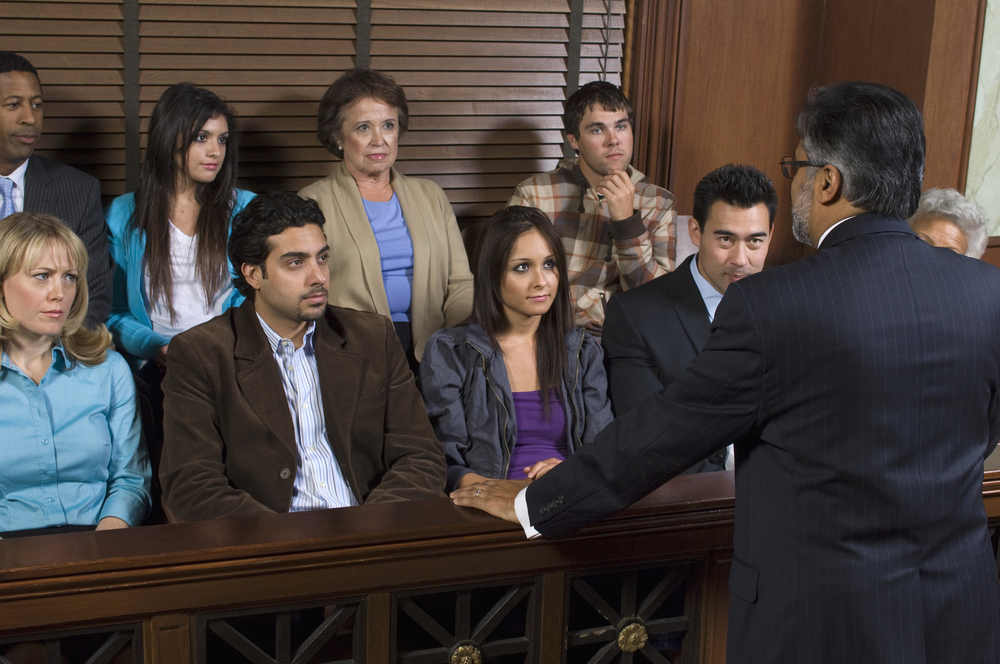
Court consulting has become an essential part of high-stakes litigation, blending legal insight with behavioral science, data analysis, and communication strategy. As cases grow more complex and juries more diverse, attorneys increasingly rely on court consultants to strengthen arguments, refine messaging, and improve courtroom outcomes.
This field operates behind the scenes, yet its influence can shape verdicts, settlements, and overall trial efficiency.
What Is Court Consulting?
Court consulting, also known as litigation consulting, is a professional service that supports legal teams before and during trial. Consultants analyze how judges, juries, and opposing counsel may perceive a case and help attorneys adapt their strategies accordingly.
Rather than focusing on legal doctrine, court consultants concentrate on human decision-making, persuasion, and clarity—factors that often determine whether a strong legal argument actually resonates in court.
Core Services Offered by Court Consultants
Court consulting encompasses a wide range of specialized services, each designed to support a different phase of litigation.
Jury Research and Selection
One of the most recognized aspects of court consulting is jury-related analysis. Consultants help attorneys understand how jurors’ backgrounds, beliefs, and experiences may influence their interpretation of evidence.
Key activities include:
-
Mock trials and focus groups to test arguments
-
Community attitude research in the trial venue
-
Voir dire strategy development
-
Juror profiling based on behavioral data
Trial Strategy Development
Court consultants work closely with legal teams to shape the overall narrative of a case. This includes identifying themes that are both legally sound and psychologically persuasive.
Strategic support often involves:
-
Framing complex facts into clear storylines
-
Anticipating opposing arguments and juror reactions
-
Aligning witness testimony with case themes
Witness Preparation
Even credible witnesses can struggle under courtroom pressure. Court consultants help witnesses communicate clearly, confidently, and consistently.
Preparation focuses on:
-
Reducing anxiety and defensive behavior
-
Improving verbal clarity and body language
-
Practicing cross-examination scenarios
-
Avoiding language that may confuse or alienate jurors
Visual and Demonstrative Evidence Design
Jurors retain visual information more effectively than dense verbal explanations. Court consultants assist in creating demonstratives that enhance understanding without oversimplifying facts.
Examples include:
-
Timelines and flowcharts
-
Accident reconstructions
-
Financial damage models
-
Medical or technical illustrations
The Psychology Behind Court Consulting
At its core, court consulting is rooted in cognitive psychology and communication science. Jurors do not evaluate evidence like legal scholars; they rely on mental shortcuts, emotional cues, and narrative coherence.
Court consultants analyze:
-
How jurors assign credibility
-
What causes confusion or disengagement
-
Which arguments trigger skepticism or trust
-
How group dynamics affect deliberations
This insight allows attorneys to present cases in ways that align with how people naturally process information.
When Court Consulting Is Most Valuable
While any case can benefit from strategic insight, court consulting is particularly impactful in:
-
Complex commercial litigation
-
High-value personal injury cases
-
Intellectual property disputes
-
White-collar criminal trials
-
Class action lawsuits
In these matters, the financial, reputational, or legal stakes justify the added investment in expert trial support.
Ethical Boundaries and Professional Standards
Court consultants do not manipulate juries or interfere with the justice system. Ethical consulting respects legal boundaries and focuses on clarity, fairness, and effective communication.
Professional standards emphasize:
-
Compliance with court rules
-
Transparency in research methods
-
Respect for juror privacy
-
Supporting informed decision-making, not coercion
The Future of Court Consulting
As technology advances, court consulting continues to evolve. Data analytics, virtual mock trials, and AI-assisted sentiment analysis are expanding how consultants evaluate juror behavior and trial risk.
At the same time, the human element remains central. No algorithm can fully replace nuanced judgment about persuasion, credibility, and storytelling—skills that define effective court consulting.
Frequently Asked Questions
What is the difference between court consulting and legal consulting?
Court consulting focuses on jury behavior, communication, and trial strategy, while legal consulting centers on legal research, compliance, and substantive law.
Is court consulting only used in jury trials?
No. Court consultants also assist in bench trials, arbitrations, mediations, and hearings, adapting strategies for judges or neutral decision-makers.
Does court consulting guarantee a favorable verdict?
There are no guarantees in litigation. Court consulting improves clarity and strategic alignment but cannot control evidence, law, or juror decisions.
Are court consultants involved during the actual trial?
Often, yes. Many consultants attend trials to provide real-time feedback, observe juror reactions, and adjust presentation strategies as needed.
How early should court consultants be involved in a case?
Early involvement is ideal. Engaging consultants during case development or discovery allows for stronger strategic planning and theme refinement.
Is court consulting only for large law firms?
No. While commonly used in major cases, smaller firms and solo practitioners also use court consulting selectively for critical matters.
How do attorneys choose the right court consultant?
Selection typically depends on case type, industry experience, research capabilities, and communication expertise, as well as alignment with the legal team’s style.
